

Quick answer
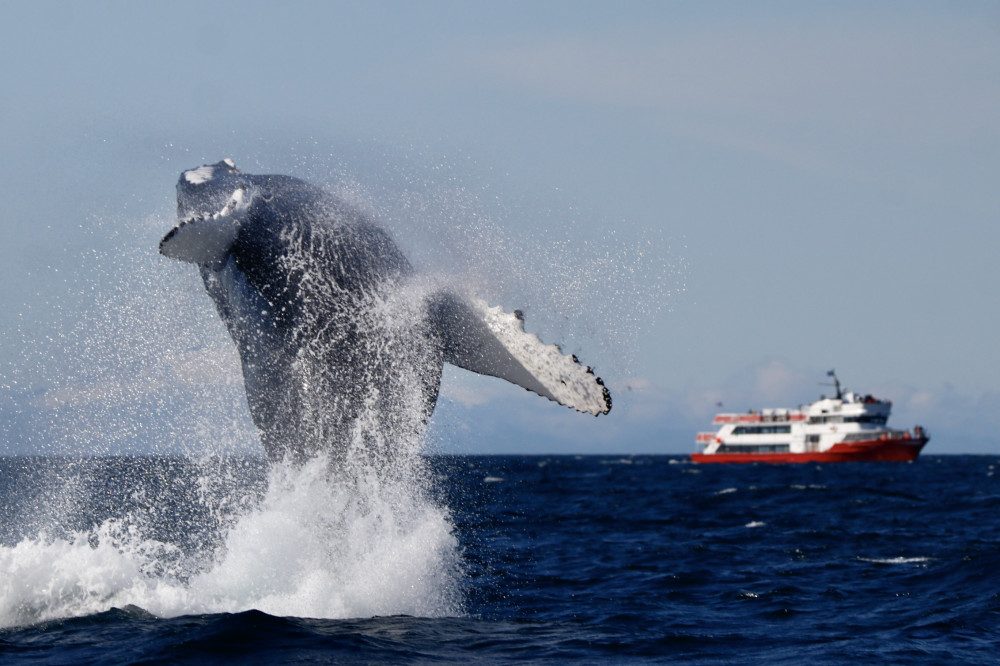
The best time to go whale watching in Iceland runs from April through October, when warmer water temperatures draw minke whales, humpbacks, white-beaked dolphins, and harbour porpoises into Faxaflói Bay. Peak sightings occur between June and August, coinciding with longer daylight and calmer seas. Winter tours between November and March operate in rougher conditions with shorter days, though orcas and occasionally fin whales appear during these months.
Reykjavik's whale watching industry depends on the seasonal pulse of the North Atlantic. Each spring, rising plankton blooms and herring stocks pull cetaceans into the shallow feeding grounds of Faxaflói Bay, the body of water stretching west from the capital's Old Harbour. This biological calendar determines not only which species appear but also how tour operators structure their schedules and set expectations. Minke whales anchor the summer season. These smaller baleen whales arrive in April and remain through September, often surfacing within a few hundred meters of RIB boats departing from Reykjavik. Humpbacks follow a similar pattern, though their numbers peak later—July and August see the highest concentration. White-beaked dolphins and harbour porpoises move unpredictably throughout the bay but become more visible as sea traffic increases and water clarity improves during midsummer. Orcas, by contrast, favor colder months, tracking herring migrations that bring them closer to shore between November and February. Sightings during this window remain less predictable, and fewer operators run tours due to harsh weather. Weather shapes the experience as much as species presence. Summer brings relatively calm conditions, with average wind speeds under 10 knots and sea swells manageable for most passengers. Daylight extends past 23:00 in June, giving tours flexibility to depart late and still return in full light. Autumn introduces stronger winds and shorter days, though September often delivers crisp visibility and fewer tourists. Winter whale watching in Iceland demands waterproof gear and tolerance for rough water; tours cancel more frequently, and sightings drop as whales disperse into deeper offshore waters. Tour operators in Reykjavik track real-time whale movements using spotter networks and recent sighting logs, but timing a trip to coincide with the best months for whale watching in Iceland significantly raises success rates. The Old Harbour's position at 64°N means that even peak-season tours face rapid weather changes, and no departure guarantees a sighting. Still, choosing April through October aligns travel with the biological and meteorological windows that favor both whale presence and passenger comfort.
“Minke whales arrive in April and remain through September, often surfacing within a few hundred meters of RIB boats departing from Reykjavik.”
Operational Hours for What Is the Best Time to Go Whale Watching in Iceland
The facilities at Reykjavik Old Harbour operate on a consistent schedule throughout the week to support whale watching departures. Visitors can plan their arrival based on these standard daily hours.
| Monday | 09:00–17:00 | |
|---|---|---|
| Tuesday | 09:00–17:00 | |
| Wednesday | 09:00–17:00 | |
| Thursday | 09:00–17:00 | |
| Friday | 09:00–17:00 | |
| Saturday | 09:00–17:00 | |
| Sunday | 09:00–17:00 |
Reaching the Harbor for What Is the Best Time to Go Whale Watching in Iceland
Whale watching departures are located at Reykjavik Old Harbour, 101 Reykjavik, Iceland. The harbor area is centrally located and easily accessible for pedestrians walking from the city center.
Strætó lines 1, 3, 6, and 14 to Mýrargata stop
Drive via Route 41 (Reykjanesbraut) to Geirsgata
Walk from Laugavegur or Harpa Concert Hall
Pre-Visit Checklist for What Is the Best Time to Go Whale Watching in Iceland
Prepare for variable ocean conditions and Iceland's unpredictable weather with these essential items.
-
Book your tour in advance — Summer slots fill quickly, and operators require confirmed reservations before departure.
-
Wear layered waterproof clothing — Sea spray and wind chill drop temperatures significantly, even in summer months.
-
Pack seasickness medication if prone — Open-ocean conditions can cause discomfort; take tablets 30 minutes before boarding.
-
Bring sunglasses and sunscreen — Glare off the water intensifies UV exposure, particularly during long daylight hours.
-
Carry a valid photo ID — Operators verify passenger details against booking records at check-in.
-
Arrive 15–20 minutes early — Crew conducts safety briefings and distributes flotation suits before scheduled departure.
Admission and Costs for What Is the Best Time to Go Whale Watching in Iceland
There is no public entrance fee to access the Reykjavik Old Harbour area. Costs for whale watching experiences are determined independently by individual tour operators.
While harbor entry is free, visitors pay varying amounts for boat tours depending on the operator and vessel type chosen.
Check availability
Whale Watching Logistics and Timing FAQs
Everything you need to know about what is the best time to go whale watching in iceland